


OTS Fitness
Hormones, secreted by endocrine glands, play a vital role in regulating the functions of body cells, tissues, organs, and systems.
OTS Fitness:
Hormones, secreted by endocrine glands, play a vital role in regulating the functions of body cells, tissues, organs, and systems.
The Impact of Exercise on Hormones
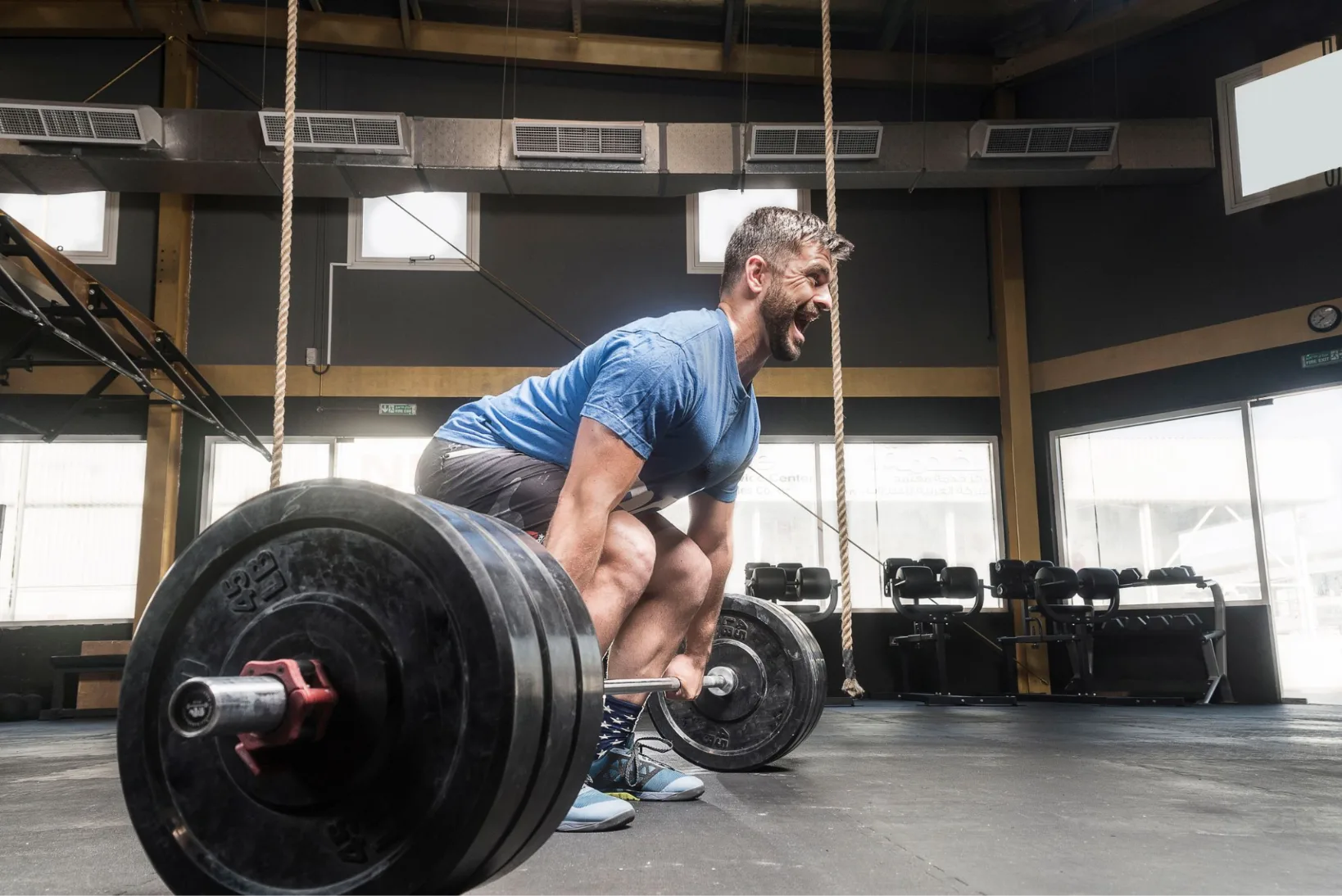
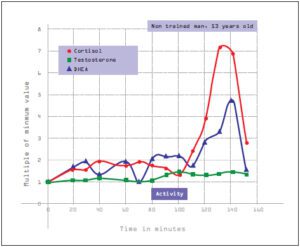
Physical exercise challenges the body by increasing energy demands and placing physiological stress on the nervous, muscular, cardiovascular, metabolic, and respiratory systems. During exercise, the levels of key hormones—salivary cortisol, DHEA, and testosterone—rise in response to the intensity of the activity.
Variations in Hormonal Responses
Hormonal responses to exercise differ based on training type:
- Endurance Training: Produces a milder hormone response to physical activity.
- Resistance Training: Triggers a more pronounced hormone response. Additionally, increased cortisol levels often reflect exercise intensity rather than the type of exercise performed.
Variations in Hormonal Responses
Hormonal responses to exercise differ based on training type:
- Endurance Training: Produces a milder hormone response to physical activity.
- Resistance Training: Triggers a more pronounced hormone response. Additionally, increased cortisol levels often reflect exercise intensity rather than the type of exercise performed.
Why Monitor Hormone Levels?
Tracking hormone levels during training helps:
- Optimize athletic performance
- Prevent overtraining syndrome
- Fine-tune training intensity and recovery periods
Salivary cortisol, DHEA, and testosterone serve as reliable biomarkers in fitness and sports medicine. These salivary hormones effectively reflect the activity of the hypothalamic-pituitary-adrenal (HPA) axis, mirroring plasma hormone levels during stress-inducing activities, such as exercise or diagnostic stimulations (e.g., ACTH and CRH tests).
Frequently Asked Questions
More questions and answers can be found on our FAQ page
Exercise increases energy demands and places physiological stress on various systems, causing key hormones such as salivary cortisol, DHEA, and testosterone to rise. The intensity of exercise significantly impacts these hormonal changes.
Monitoring hormone levels helps optimize athletic performance, prevent overtraining syndrome, and fine-tune training intensity and recovery periods. Hormones like salivary cortisol, DHEA, and testosterone serve as reliable indicators of the body’s stress response and training effects.
Endurance training elicits a milder hormonal response, while resistance training triggers a more pronounced response. Additionally, increased cortisol levels generally reflect the intensity of exercise rather than its type.
- Why are Hormones significant
- Why Saliva?
- Benefits of Saliva Testing
Why are Hormones significant for Fitness Optimization?
- Intensity of exercise increases the concentrations of specific biological stress markers such as DHEA, Cortisol, and Testosterone.
- Excessive exercising may result in “overtraining syndrome” potentially leading to adverse physiological and psychological symptoms.
- These symptoms have detrimental affects on an individual’s athletic performance and ability to recover.

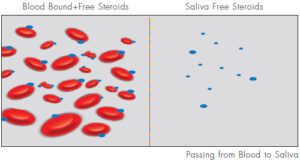
Saliva is the ideal choice of specimen to measure cortisol and other hormone levels. Saliva measures the “Unbound Biologically Active,” or free hormone levels in the body. When blood is filtered through the salivary glands the bound hormone components are too large to pass through cell membranes of the salivary glands. Only the unbound hormones pass through in the saliva.
What is measured in saliva is considered the “free” (bioavailable) hormone, and is indicative of hormone levels that will be delivered to the receptors in the tissues of the body.
Benefits of Saliva Testing for Optimal Health Achievement!
- Saliva sampling is very easy, non-invasive and easy to collect during fitness exercise. For these reasons saliva measurement is the right choice for evaluating physical conditions during exercise.
- Eliminate the risk of overtraining syndrome.
- Measuring of free testosterone in blood is inaccurate and challenging. And can not determine the overtraining syndrome during fitness exercise.
- Provides accurate, fast and reliable results.
- Interpretations of lab results provided with clear and detailed information.
- No costly medical fees: no doctor visit or blood work required.
- Collect the saliva sample and mail it to the laboratory.
- Saliva is the specimen of choice in a variety of traditional medical care situations as well as emerging areas of health measuring and monitoring.
WEIGHT MANAGEMENT PROFILES
Fitness Management Profile
- Cortisol x 1 Before Exercise
- DHEA
- Testosterone
Fitness Stress Management Profile
- Cortisol x 4 AM, Noon, Evening, Night
- Testosterone
- DHEA